What I’ll Be Testing on the ORIGMA Trail Outsole
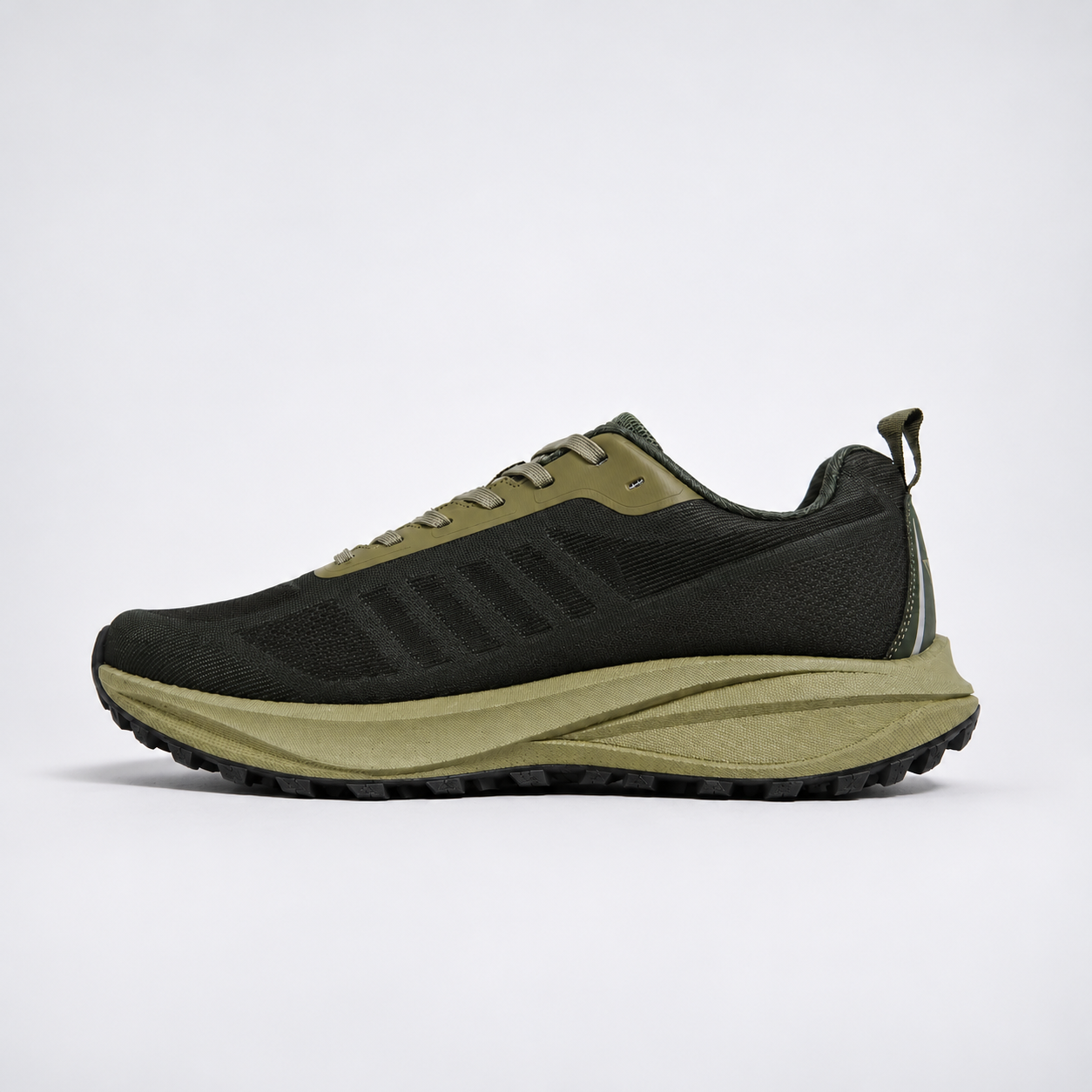
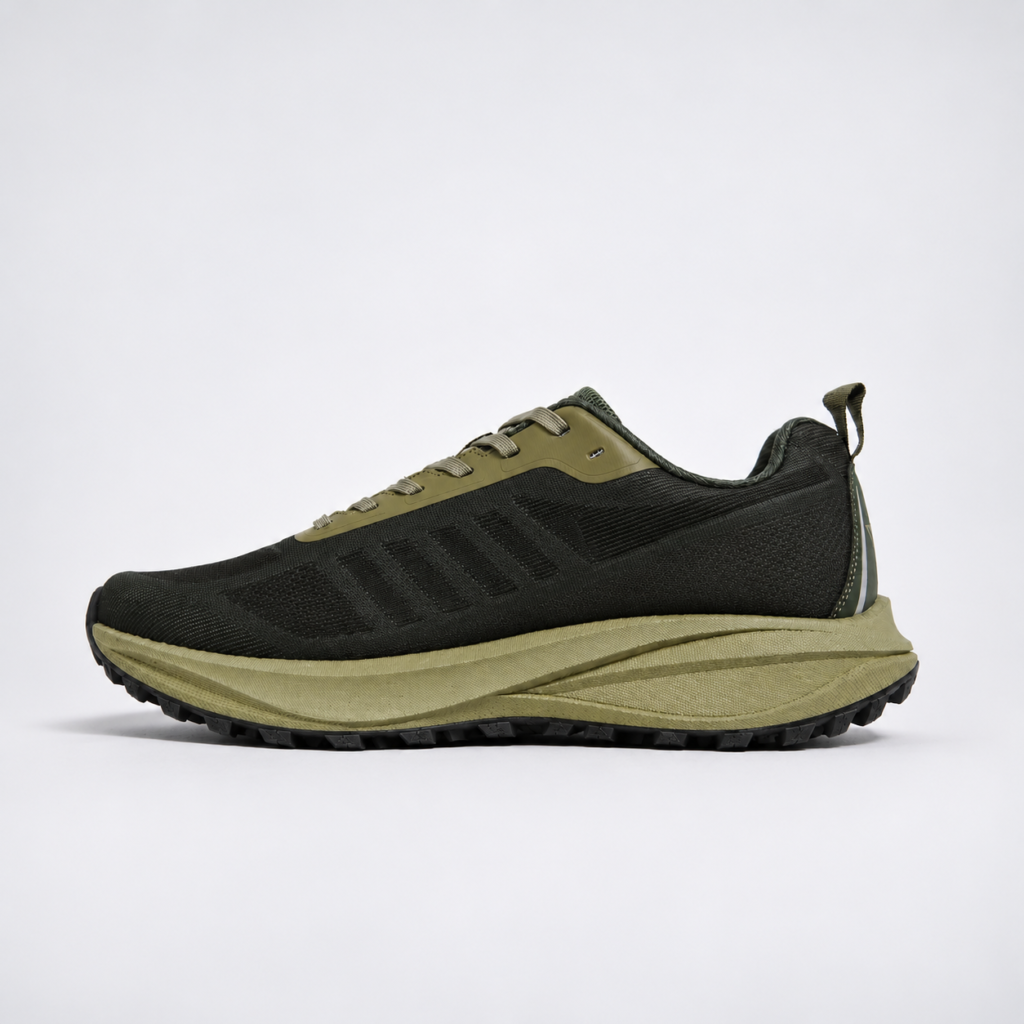
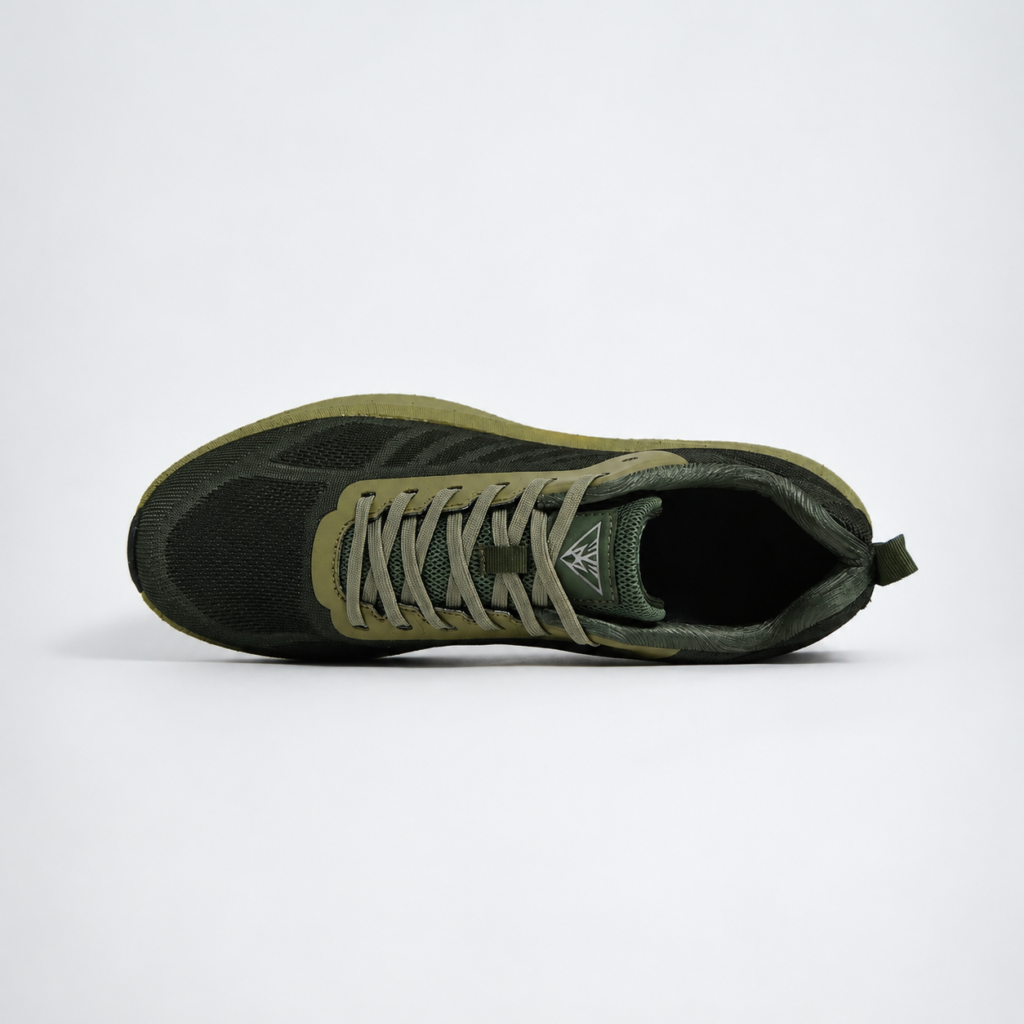
The first dedicated trail outsole test is in about two weeks. Here’s what I’ll be paying attention to.
When you build a running shoe in the Blue Mountains, there’s always a bit of dirt somewhere on your route. What I want from this next test is to spend a whole run paying attention to the outsole, especially in the spots where I’d normally just slow down and get on with it.
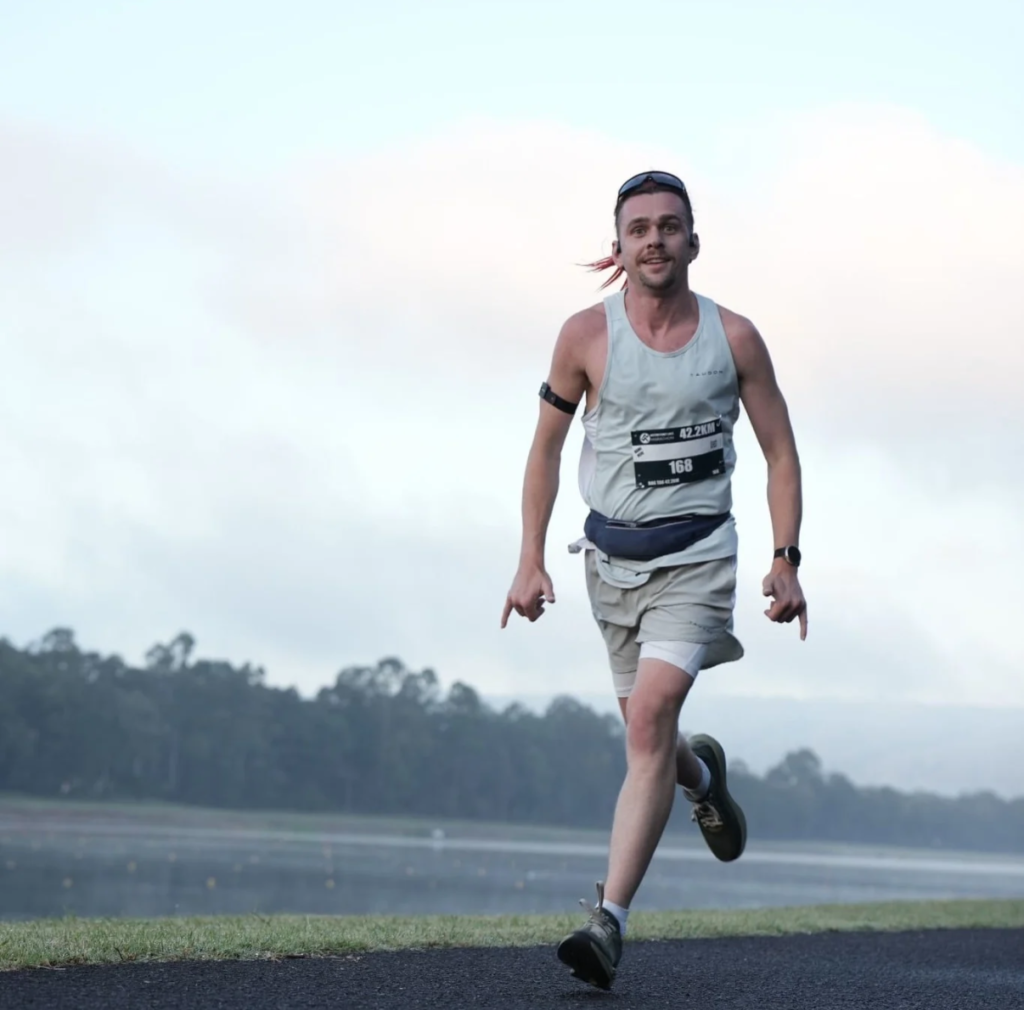
I took the ORIGMA Road sample through plenty of dirt and rock at Western Sydney Lakes. That gave me a feel for how the platform behaves on mixed surfaces. With the Trail outsole, I want to get more specific about where I can trust the grip and where I still find myself holding back.
First up is loose ground on descents. I want to see what happens when I load the heel to slow down, then change direction through a corner. On climbs, I’ll pay attention to what happens under the forefoot when I’m pushing off on loose dirt. If the conditions give me damp rock, I’ll look at how confidently I can place and load the shoe there, too.
I’ll also look at what happens between those sections. A lot of my runs link dirt and rock with hard-packed paths or stretches of road. I want to know how the shoe feels going from one surface to the next. Afterwards, I’ll flip it over and check where it’s picked up wear and whether any dirt has packed into the tread.
The things I’m most interested in are the ones you can show on camera. Where did I put my foot? Did it hold? Where did I feel myself backing off? I’ll share what I find after the run, along with photos of what the outsole looks like when I get home.
See TAUDON ORIGMA Trail